EFT Online Group Mentoring.
Wed 07 Oct
Full
Thu 22 Oct
Wed 04 Nov
EFT Level 1 & 2 Training
Fri 09 Oct to Fri 27 Nov
EFT Level 1 - Online
Fri 09 to Fri 30 Oct
EFT Level 2 - Online
Fri 06 to Fri 27 Nov
EFT Online Group Mentoring for Trainers
Wed 02 Dec
EFT Level 3 - Online
Thu 10 Jun to Thu 22 Jul 2027
St Albans, Herts, UK
+44 (0)7811 484 673



Emotional Shock
How on earth are we meant to handle emotional shock? We all know that feeling of turning to stone, bewilderment and confusion which descends when something unexpected happens.
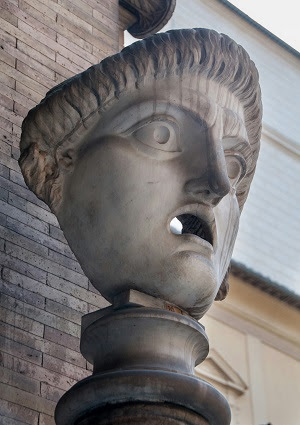
This question has been live in my system this week personally, after losing a close colleague, and also in supporting several clients releasing shock. The energy of shock was either recent or a delayed reaction from many years ago.
When emotional shock arises we usually have a visceral response, even if that means we shut down or have a blank empty feeling within. It’s not as if we can think our way through whatever has happened. On some level we’re asking ‘What does this mean in my world? How am I meant to handle it?’ But nothing has prepared us to respond so we ‘tune out’ for a while. The reason being what has happened is so big and not in keeping with the predictability of every day life.
Emotional shock has a protective function. It safely cocoons us. Our nervous system has discovered through experience that the cushion gives us space to cope with the difficulties swirling around us without being shattered. This is so often unconscious and really useful until we are more resourced.
At some point we know from experience that some pain or hurt is going to surface. It can hit us like a train at high speed unexpectedly. Before that time arises here’s a helpful strategy to safely diffuse the stored up energy.
Step 1 - find a safe resource in the now to soothe and support you. Time spent in nature, with another human or pet who can give us gentle undemanding warmth, or maybe a practitioner of a therapeutic modality who is known for paced relief. Massage therapy, music therapy, or EFT are all helpful. The key is not to attempt to resolve any underlying trauma response. We're seeking to instil a sense of safety with no other agenda. You’re reminding your body that safety is available. This will support later processing when you’re ready.
In the short term there can be an overdrive of energy. This can prompt a desire to take up some action to distract yourself or find an outlet for the pent up energy. Reorganising the cupboard under the stairs, exercise, batch cooking, or doing some gardening are great ways to use up such energy. It’s best not to go looking for a task that involves too much thinking – we’re not performing at our best when in shock. You’ll want to make important decisions from a place of being centred in your normal self.
Step 2 – When you’ve had time to adjust to the change, deeper processing is going to allow more freedom and return to a lightness of being. EFT is known for being quick to release trauma responses, but complex topics will be too big to handle in one sitting. Give yourself professional support to make the processing easier than attempting to do it by yourself. The work will be cleaner and quicker for the safe pacing allowed.
It’s best not to rush for meaning or understanding about all the 'whys' you've got going in your head. The more you can allow your dysregulated feelings to be soothed the more a kind genuine truth will emerge in increments. This is more of the real you coming up. It leads to so much resiliency going forward.
In between sessions give your mind the freedom to "defrag" in the background. It’ll offer up unexpected insights, dreams with meaning, and even prompt nurturing conversations with others for improved connection.
There’s no ‘right way’ to handle shock. Neither is there a right time. It’s just important for your whole self to handle it when you feel able.
After 22 years of tapping I can confirm just from this last week how much the above helps to keep it real and find our way back to centre.
Article Date: Fri, 02 Oct 2026
 Previous Previous |